Frank’s Distractions – 1

Like many of us, I am often attracted to some neat prototype that happened to catch my eye. It’s the “shiny new toy” syndrome, maybe, but let’s call it “Frank’s Distractions.” I’ll present some of those on occasion here on the blog. Some of these may end up as resin models but many will remain the shiny distractions they are.

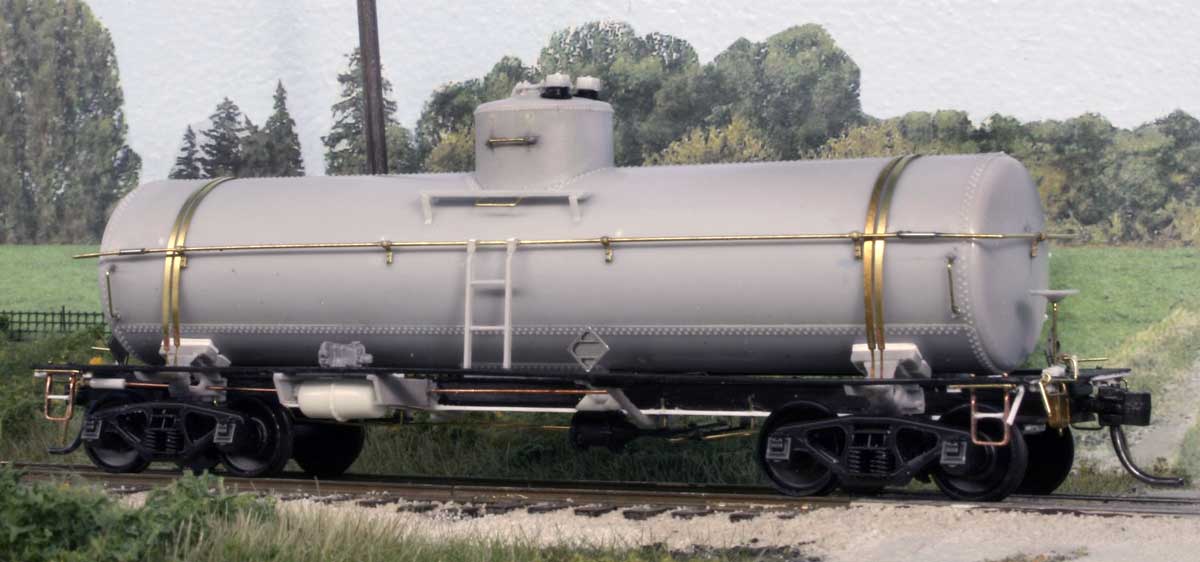
Here’s a tank car that caught my interest. Click on any image here to review a larger size.

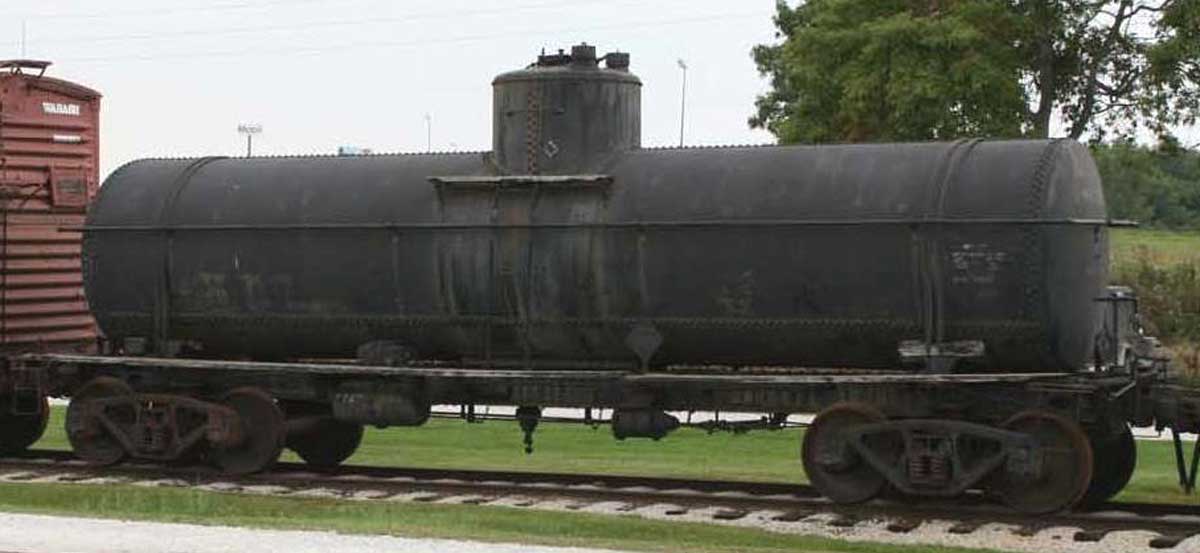
UOCX_10323_web

I found this car from a link posted on the Steam Era Freight Car YahooGroup. The tank car is what I’m calling a GATX Type 22, 10,000 gallon car. This car has a new full platform but they left the support for the old platform on the bands. The existing running boards are still wood while the new platform has an open grate. While it’s not very clear in the photo, it seems the car was reweighed in 1949.

UOCX_10345_web

UOCX 10345 is a photo of a new car that was built 8-22. This photo came from Richard Hendrickson. Richard and I had several conversations on what to call these earlier GATX tank cars. The earliest we’ve seen the TYPE designation on a GATX tank car is on UOCX 10484. We figured that working the GATX system backwards was logical. The first year that underframe design was built determined what TYPE it was. Check out the great info in this 1925 Railway Review article, “Improved Design of ARA Class IV Tank Car.”

gatx_type22_model_web
The 1943 ORER NMRA reprint lists UOCX 10000-10545 as 10,000 gallon cars. If this is a continuous series of cars, then it is the bulk of the 1943 UOCX fleet. A 1926 ORER lists UOCX 10000-10407 as 10,000 gallon cars. If this is a continuous number series, these tank cars would be two-thirds of the 1926 UOCX fleet. While these listings seem to be a continuous series of tank cars, these number series may not contain tank cars all built to the same design. private car listings can be squirrely like that.

The GATX Type 22 tank cars would be a “Someday” kit. There are just too many other items ahead of it right now. The model pictured above is a kitbash of an InterMountain tank. The only resin parts are the tank saddles and the running board/brake supports. If this GATX Type 22 goes into production, it will need to be a full resin kit due to the unavailability of InterMountain kits. The car is modeled from plans and measurements from a prototype car at the Monticello Railroad Museum. It’s GATX 7297 which was built 12-25.

gatx_type22_museum_web

I hope you have enjoyed this shiny new toy! It’s just one of many personal distractions.

Frank

Illinois Central Twin Hoppers

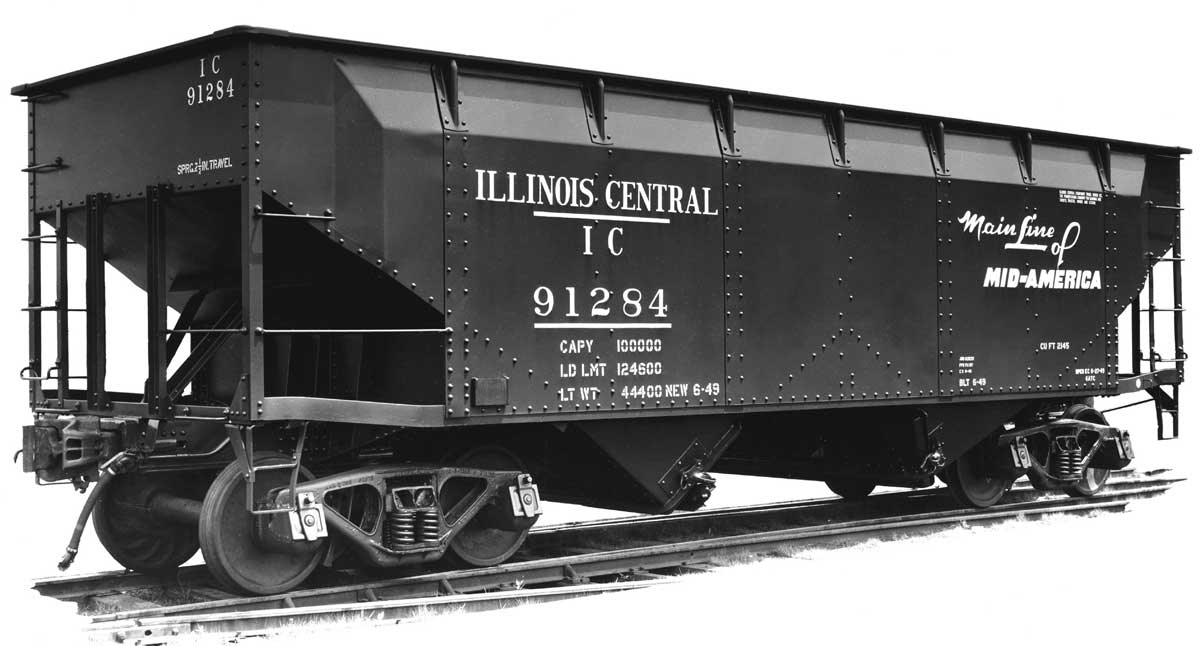
In-process Illinois Central hopper.

There was some recent discussion on the STMFC YahooGroups list concerning the likes and dislikes of cast on grab irons on resin freight car kits. The March 2015 issue of Model Railroad Hobbyist mentioned in their news section that one of the future kits being considered by Resin Car Works (RCW) is an Illinois Central Twin Hopper with cast on grabs. One of my goals with RCW is to simplify the construction of resin freight cars to lower the cost and to make it possible for large fleets of such cars to be constructed. There are many freight car prototypes that won’t be made in plastic as the sales aren’t enough to recoup the cost of development and production. The only other economical means to produce such cars is with low production, low development cost, rubber molds and resin castings.

Illinois Central prototype  hopper image.
Illinois Central prototype hopper image.

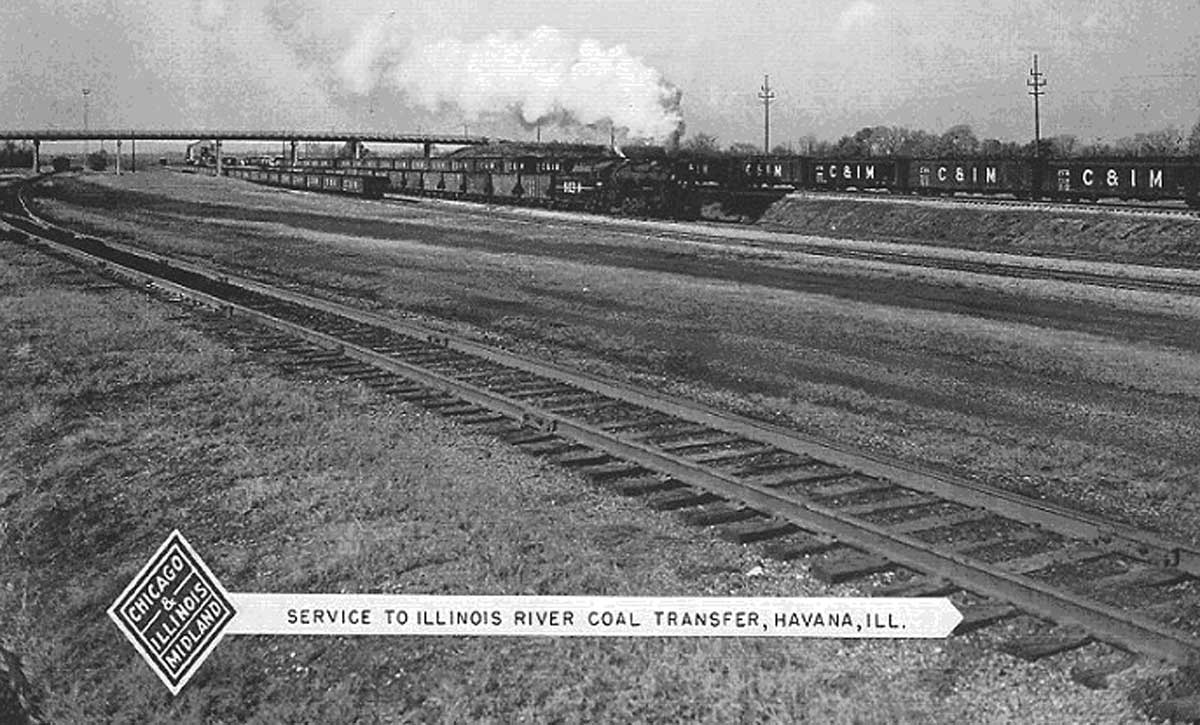
One of these cars is the Enterprise offset side twin hopper that was owned in large numbers by the Illinois Central. As a mid-fifties modeler whose layout is set in Central Illinois I need dozens of these IC hoppers for operations. I also have several friends that need dozens of these cars. My operations are based on coal mines around Taylorville with the coal being moved to dumpers at Havana Illinois. Click on any image here to review a large size.

CI&M rail-river transfer facility.

These dumpers had a capacity larger then what the home road could supply so coal in other roads hoppers would be seen at this site. The two largest numbers of foreign road cars were from the New York Central and IC. If you look closely at the second photo you’ll notice a long string of NYC hoppers.

CI&M transfer yard.
CI&M transfer yard.

To have a large number of IC hoppers on any layout, the construction had to be simplified which the cast on grabs has done. As RCW is a basement type businesses very short on available time, the choice was been made to issue only one kit with the cast on grabs. Those modelers who only desire one or two of these kits can easily remove the grabs just like on a plastic kit.

Please leave a comment below and follow all of the required steps. All comments are moderated and will appear after approval.

An Introduction

Welcome to the Resin Car Works Blog. The purpose here is to have fun and to share various techniques to help you build resin freight car kits. There is often not a right-way or the instructions way when it comes to the constructions of such kits. Each modeler possesses skills and methods that can help others complete more freight cars, which is the goal. Think of this site as a commune of like minded souls to share their ideas on resin freight car construction. This blog will also be a place to keep you informed on new Resin Car Works products and other general items I’m working on.


Thanks,

Frank